Periodontal Maintenance
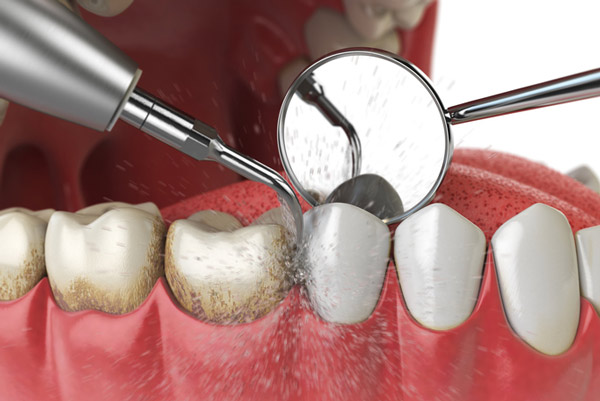
Many patients assume that a dental cleaning is a dental cleaning, no matter what it's called. In reality, periodontal maintenance is a distinct type of appointment designed specifically for patients who have already been treated for gum disease or who show signs of active periodontal breakdown. Understanding how this appointment differs from a standard cleaning can help you feel more confident about why our dental team at Mission Hills Periodontics recommends it and what it's actually accomplishing beneath the surface of your gums. Routine Cleanings vs Periodontal MaintenanceA routine cleaning, often called a prophylaxis, is meant for patients with healthy gums and no history of periodontal disease. It focuses on the visible surfaces of the teeth and the areas just below the gumline. Periodontal maintenance goes further. It targets the deeper pockets that form when the attachment between gum tissue and tooth structure has been compromised, and it requires a different set of instruments, a different amount of time, and a more detailed evaluation at every visit. This distinction matters because the two types of appointments are addressing fundamentally different situations. A healthy mouth needs preventive upkeep to stay that way, while a mouth that has already experienced periodontal breakdown needs active monitoring to keep that breakdown from continuing. Treating the two situations identically would leave patients with a history of gum disease vulnerable to the very problem their earlier treatment was meant to resolve. What Happens During a Periodontal Maintenance Appointment?At the start of each periodontal maintenance visit, your hygienist typically measures the depth of the pockets around every tooth using a small probe. These measurements are recorded and compared to previous visits, giving our dental team a clear picture of whether your gum tissue is stable, improving, or beginning to show signs of renewed inflammation. This ongoing charting is one of the most valuable parts of the appointment because it catches subtle changes long before they become noticeable to you. From there, the hygienist performs scaling below the gumline to remove bacterial deposits that have accumulated in the pockets since your last visit. Because these areas are difficult or impossible to reach with a toothbrush, this step is essential even for patients who are diligent about home care. In some cases, root surfaces may also be smoothed to make it harder for bacteria to reattach and easier for gum tissue to stay snug against the tooth. Many practices also assess the health of surrounding structures during this visit, including any mobility in the teeth, changes in bite alignment, and the overall condition of the soft tissue. This comprehensive approach is part of why periodontal maintenance appointments generally take longer than a standard cleaning. Dental X-rays may also be taken periodically as part of this monitoring process, since they can reveal changes in the bone that supports your teeth long before those changes would be detectable through a visual exam alone. Comparing X-rays over time gives our dental team an additional layer of information beyond what pocket measurements alone can show, helping confirm whether the bone levels around your teeth remain stable. Why the Recommended Interval MattersPeriodontal maintenance is typically scheduled every three to four months rather than the standard six-month interval used for routine cleanings. This shorter interval is not arbitrary. Studies of periodontal bacteria have shown that harmful colonies can reestablish themselves in previously treated pockets within about 10-12 weeks. Waiting longer between visits gives these bacteria more opportunity to multiply and cause renewed inflammation before our dental team has a chance to intervene. Sticking to the recommended interval also allows small problems to be addressed while they are still minor. A pocket that has increased by half a millimeter is far easier to manage than one that has been allowed to progress unchecked for a year. Consistency is what allows periodontal maintenance to actually protect the results of any earlier treatment you received. Who Typically Needs Periodontal Maintenance?Not every patient requires this level of ongoing care. Periodontal maintenance is generally recommended for individuals who have:
Even patients who feel their gums look and feel fine can have pockets that are quietly deepening beneath the surface. This is part of why periodontal disease is sometimes described as a silent condition. Regular measurements taken during maintenance visits are one of the only reliable ways to detect this kind of change before it leads to further attachment loss. The Role You Play Between VisitsWhile periodontal maintenance appointments are essential, they work best when paired with consistent home care. Brushing twice daily, cleaning between the teeth, and using any additional tools our dental team recommends all help reduce the bacterial load that builds up in the weeks between appointments. Patients who combine diligent home care with regular maintenance visits tend to see the most stable long-term results. It's also worth paying attention to changes in your own mouth between appointments. Bleeding during brushing, new sensitivity, or a change in how your teeth fit together when you bite down are all worth mentioning at your next visit, even if they seem minor. This kind of feedback helps our dental team fine-tune your care plan. Some patients benefit from additional aids beyond a standard toothbrush and floss, such as interdental brushes sized to fit specific gaps between teeth, water flossers that help flush debris from deeper pockets, or antimicrobial rinses recommended for a defined period of time. Our dental team can help determine which of these tools would be most useful based on the specific pattern of pocket depths found in your mouth, rather than applying a one-size-fits-all recommendation. It also helps to think about timing. Cleaning your teeth thoroughly before bed matters more than many people realize, since saliva production slows down overnight and bacteria have an extended, uninterrupted window to multiply while you sleep. A careful nighttime routine can meaningfully reduce the bacterial load your gum tissue is exposed to between maintenance visits. Schedule Your Periodontal Maintenance Visit TodayConsistent periodontal maintenance is one of the most effective ways to protect the health of your gums and preserve the results of any prior periodontal treatment. If you're due for an appointment or have questions about what interval is right for your situation, the team at Mission Hills Periodontics is ready to help. Contact us at (619) 356-5989 to schedule your next visit and keep your periodontal health on track. |
 Office HoursTues-Fri: 8:00am - 5:00pm |