| How Often Should I See my Periodontist? San Diego, CA 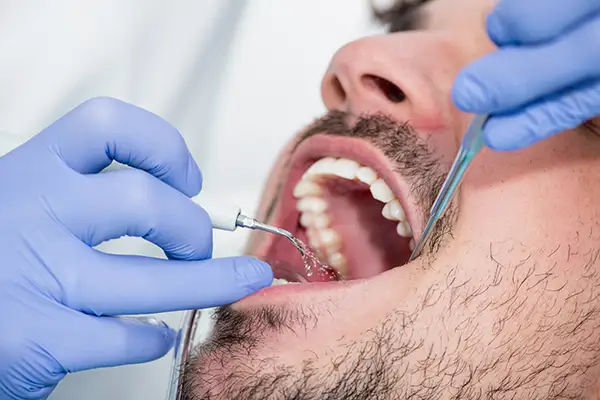 Healthy gums are essential for a beautiful smile and overall wellness. While most people visit their general dentist twice a year, patients with gum concerns may need more specialized attention. That's where your periodontist, Dr. Stephen Munroe, comes in. Periodontists focus on the prevention, diagnosis, and treatment of , as well as the placement of dental implants and the health of supporting oral structures. If you've ever wondered, "How often should I see my periodontist?" the answer depends on your oral health, your treatment history, and your risk for gum-related issues. Healthy gums are essential for a beautiful smile and overall wellness. While most people visit their general dentist twice a year, patients with gum concerns may need more specialized attention. That's where your periodontist, Dr. Stephen Munroe, comes in. Periodontists focus on the prevention, diagnosis, and treatment of , as well as the placement of dental implants and the health of supporting oral structures. If you've ever wondered, "How often should I see my periodontist?" the answer depends on your oral health, your treatment history, and your risk for gum-related issues.What Periodontists Focus OnPeriodontics is a specialized field of dentistry dedicated to the prevention, diagnosis, and treatment of diseases that affect the gums and bone supporting the teeth. While general dentists focus on overall oral health, periodontists are experts in managing gum inflammation, treating advanced gum disease, and performing surgical procedures to restore gum and bone health. A periodontist's care can also include gum grafting, pocket reduction therapy, and the placement of dental implants. By focusing on the foundation of your smile, our periodontist helps ensure your teeth remain stable and your gums stay healthy and strong. Common Reasons for Needing to See a PeriodontistGum Disease TreatmentThe most common reason patients visit a periodontist is for the treatment of gum disease, also known as periodontal disease. This condition develops when plaque and bacteria accumulate along the gumline, causing inflammation, bleeding, and tissue damage. Our periodontist can perform deep cleanings, known as scaling and root planing, to remove bacteria below the gumline and help the gums reattach to the teeth. Patients with active gum disease are often seen every three to four months to monitor healing and prevent progression. Once the infection is under control, we will recommend a customized periodontal maintenance schedule to preserve gum health. Gum RecessionGum recession occurs when the gum tissue pulls away from the teeth, exposing the roots and increasing sensitivity. It can result from aggressive brushing, genetics, or gum disease. If left untreated, recession can lead to root decay or tooth loss. Our periodontist can restore the gumline through soft tissue grafting, which uses healthy tissue to cover exposed roots. Follow-up visits are usually scheduled every few months after surgery to ensure proper healing, followed by periodic maintenance appointments to keep the gums stable and healthy. Dental Implant Placement and MaintenancePatients who are missing one or more teeth often turn to periodontists for dental implants. As specialists in gum and bone health, periodontists are uniquely qualified to perform implant placement and ensure long-term success. After an implant is placed, several follow-up visits are required during the healing phase to monitor integration with the bone. Once the implant area has fully healed, patients should continue visiting the periodontist at least twice a year for ongoing evaluation. Regular implant checkups are essential to identify any early signs of inflammation or bone loss around the implant site. Bone Grafting ProceduresBone grafting is often necessary when bone loss has occurred due to gum disease, trauma, or missing teeth. This procedure rebuilds the jawbone to support dental implants or improve facial structure. Recovery and follow-up care vary depending on the extent of the graft. Typically, patients return every few weeks to monitor healing until the bone is ready for the next phase of treatment. Once restored, our periodontist will recommend routine visits to ensure the bone remains strong and healthy. Gum Inflammation and BleedingPersistent gum inflammation and bleeding are early signs of gingivitis or more advanced periodontal issues. When brushing or flossing causes bleeding, it's important to visit the periodontist before the problem worsens. Early intervention can often reverse gingivitis through professional cleanings and improved home care. Patients with recurring inflammation may be seen every three months to prevent progression to more serious gum disease. Over time, as the gums become healthier, the visit frequency may be reduced. Periodontal Maintenance After TreatmentAfter successful gum disease therapy, maintenance care is key to keeping the infection from returning. During these visits, our periodontist removes plaque and bacteria from below the gumline and evaluates your oral health. The recommended interval between visits varies based on your risk level, but most patients are seen every three to four months. Sticking to your periodontal maintenance schedule helps preserve the results of your treatment and ensures any new problems are caught early. Surgical Periodontal ProceduresIn advanced cases of gum disease, surgery may be needed to reduce deep pockets around the teeth or regenerate lost bone and tissue. Periodontal surgery helps restore a healthy environment for your teeth and gums. Follow-up appointments after surgery are typically more frequent during the healing phase, then transition to routine visits every few months once stability is achieved. Maintaining these visits helps ensure that your results last and your gum health remains stable over time. Cosmetic Gum ProceduresSome patients visit the periodontist for cosmetic reasons, such as correcting a "gummy smile" or uneven gumline. Cosmetic gum contouring can reshape the gums for a more balanced and attractive smile. These procedures usually require a few follow-up appointments to monitor healing and ensure the desired results are achieved. After recovery, patients should maintain regular dental checkups to preserve the beauty and health of their smile. Monitoring Chronic Health ConditionsPatients with conditions such as diabetes, heart disease, or autoimmune disorders may be at higher risk for gum problems. These individuals often require more frequent periodontal care, as systemic health can influence gum health and healing. Our periodontist will coordinate with your general dentist to establish a schedule that keeps your gums healthy and helps minimize complications. Understanding your gum disease specialist visit frequency is important for managing your overall health. Preventive Visits for High-Risk PatientsEven patients who do not have active gum disease may benefit from seeing a periodontist regularly, especially if they have a family history of periodontal issues or other risk factors like smoking. Preventive visits allow our periodontist to detect early signs of gum inflammation or bone loss before they become major problems. Most high-risk patients are advised to visit every three to six months for preventive cleanings and evaluations. This proactive approach supports lifelong gum and tooth health. Periodontal Care in San DiegoAt Mission Hills Periodontics, Dr. Stephen Munroe and his team are committed to helping you achieve and maintain excellent gum health. Whether you're managing gum disease, replacing missing teeth, or simply want to keep your smile strong, personalized periodontal care can make all the difference. Your gum health is the foundation of your smile, don't wait until discomfort or bleeding occurs to seek care. If you're searching for a trusted periodontist in San Diego, contact Mission Hills Periodontics today at (619) 356-5989 to schedule your appointment and experience expert care that supports lasting oral health. |
 Office HoursTues-Fri: 8:00am - 5:00pm |